
Are your Wyoming Service pages aren’t indexing? We specialize in turning published-but-invisible pages into crawlable, indexable revenue assets for service businesses in Casper, Wyoming.
Most service pages fail because Google does not find them strong enough; however, people think Google is not indexing them, but this is not the real reason.
Indexing the pages is the prioritised system of Google in which it discovers the beneficial URLs to crawl them and determines whether each page deserves the best spot in the index.
What most business owners don’t realize is that indexing is not automatic, even after publishing.
Google uses crawl budget, internal signals, and perceived page value to decide whether your page is worth storing in its index. If your site lacks authority or clarity, even perfectly written pages can stay invisible.
What “Not Indexing” Actually Means for a Wyoming Service Business
If your new Plumbing in Casper page is live but not showing in Google, it’s tempting to assume something is broken. However, actually, Google is making a value judgment, and your site is sending mixed signals.
Mostly, we see in Casper and Wyoming, a service site launches the pages of services, cities, and neighborhoods, but they are templated, linked, and hard for Google to prioritize. Therefore, you end up with stuck pages in search console statuses like discovered, currently not indexed, or crawled.
Expert Note: If Google crawls a page and still doesn’t index it, treat it like a “quality + duplication + weak signals” problem first—not a “press the index button harder” problem.
The 7 Root Causes We See in Wyoming Service Pages
Wyoming markets are unique, with fewer links, fewer sites and many businesses competing with the same service + city wording. Google makes it extra picky about which pages get indexed and which get ignored.
The most common causes are below.
- Near-duplicate service pages (same layout, same paragraphs, swapped keywords)
- Weak internal linking (the page exists, but nothing important points to it)
- Canonical and URL conflicts (Google picks a different URL as “the real one”)
- Accidental noindex via meta robots, headers, or plugin settings
- Robots.txt blocking crawl (Google can’t properly evaluate the page)
- Index bloat (too many low-value URLs competing for attention)
- Thin local proof (no real Casper/Wyoming relevance beyond the city name)
Pro Tip: If your pages mention “Casper” but read as if they were written for anywhere, Google treats them the same way.
Add local depth the way a real local would like referencing work areas near David Street Station, the National Historic Trails Interpretive Center, or even seasonal conditions that change service demand.
How to Fix Indexing Fast (Without Guessing)
You don’t need 50 random SEO tricks. You need a repeatable process that removes blockers and strengthens indexing signals.
1) Start in Google Search Console (URL Inspection + Page Indexing report)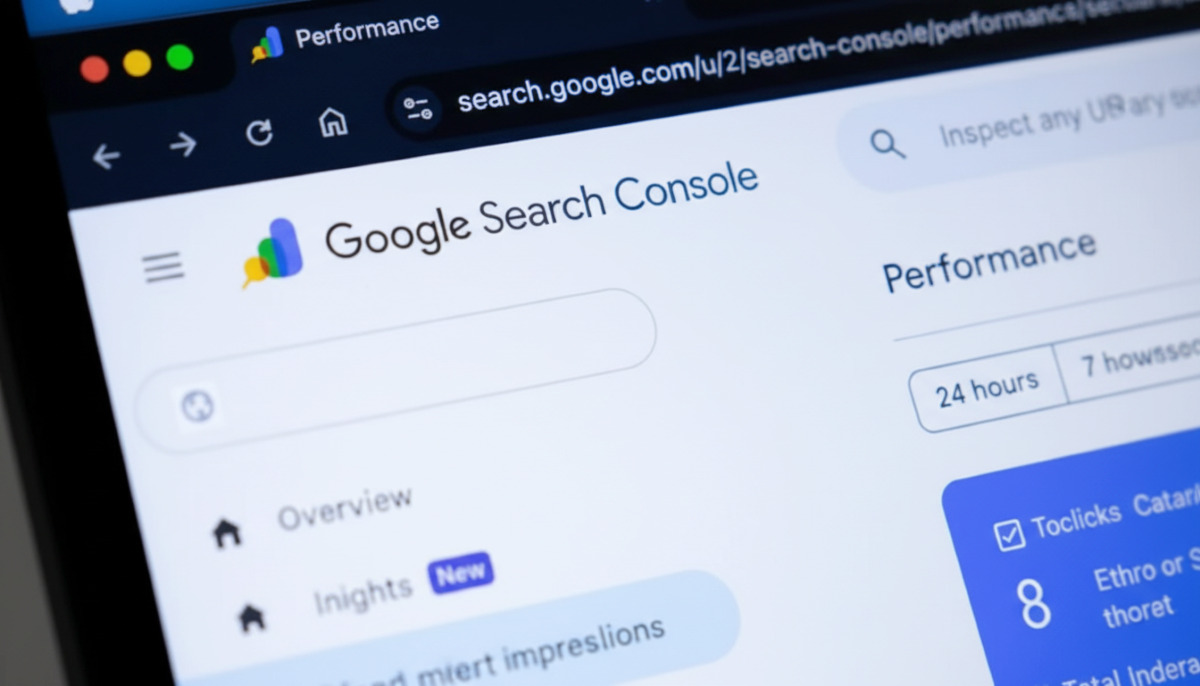
Before you make any changes, confirm what Google is actually seeing. This prevents wasting time on pages that are blocked, canonicalized, or already indexed under a different URL.
- Inspect the exact URL and check Indexing Allowed? and User-declared canonical vs Google-selected canonical
- Note the exact status (Discovered, Crawled, Duplicate, Alternate canonical, etc.)
- If the page is eligible, use Request Indexing after you’ve made improvements (not before)
2) Eliminate technical quiet blockers
Most indexing problems look like “Google is ignoring me,” but the site is quietly saying “don’t index this.”
- Confirm the page is not set to noindex
- Ensure robots.txt is not blocking key folders (especially service/location sections)
- Fix redirect chains and make sure the URL resolves cleanly (one final destination)
- Ensure the canonical points to the correct final URL (and only one version exists)
3) Make the page worth indexing (unique, specific, complete)
Google doesn’t index “another version of the same service page.”
It indexes the best version.
- Add a real service scope: what you do, what you don’t, timelines, service area specifics
- Add proof: photos, project examples, warranty info, FAQs based on actual calls
- Upgrade the copy so it’s not interchangeable with a competitor’s page
Expert Note: “Crawled – currently not indexed” is often Google saying: “We saw it. We don’t want it.” Your job is to increase uniqueness and internal importance—not to chase more crawling.
4) Strengthen internal linking like a map, not a maze
In smaller Wyoming sites, internal links are the fastest authority multiplier. If your service pages and other related pages do not point to the new page, Google treats these as optional.
- Add the page to a Service Hub (one strong page linking to all key services)
- Add contextual links from related pages (not just footer links)
- Link from high-traffic pages (homepage, top blog posts, “areas we serve” pages)
5) Reduce index bloat (stop competing with yourself)
If you have 80 thin pages and 6 strong pages, Google may crawl extensively but index very little.
Trim the clutter so your best pages get priority.
-
-
- No index or remove thin tag/search pages, old duplicate pages, and low-value filters
- Consolidate overlapping service pages into one stronger page when needed
-
- Keep your XML sitemap focused on pages you actually want indexed
-
Expert Note: Local relevance is only half the battle; without proper technical optimization, Google may still ignore your pages. Ensuring your site’s backend signals are clean is the fastest way to move pages from “discovered” to “indexed.”
Match the Status to the Fix
Use this to stop guessing and pick the right action.
| Search Console Status | What It Usually Means | What To Do Next |
| Discovered – currently not indexed | Google knows it exists, but hasn’t crawled/indexedit yet | Improve internal links + sitemap inclusion + page value signals |
| Crawled – currently not indexed | Google crawled it and chose not to index it | Strengthen uniqueness, reduce duplication, add proof + improve internal authority |
| Duplicate / Alternate canonical | Google picked a different URL as the main version | Fix canonicals, redirects, and remove duplicate URL variations |
FAQs
How long does indexing take after publishing a new service page?
It varies; if your site has strong internal linking and the page is genuinely unique, it can index quickly. If the page is thin, duplicate, or isolated, it can sit excluded indefinitely. The real lever is improving the page and its internal importance, not refreshing the request.
Should I hit “Request Indexing” multiple times?
No. Repeated requests don’t force faster indexing. Use the request after meaningful changes, then focus on strengthening internal links and improving page quality so Google has a reason to include it.
Are “location pages” risky for Wyoming service businesses?
They can be if they’re doorway-style templates with swapped city names. If you publish them, make each page meaningfully different: local proof, unique service details, and distinct intent (not just “same service, different town”).
Can robots.txt cause indexing problems even if the page is live?
Yes. If Google can’t crawl important resources or the page itself, it can’t properly evaluate it. Also, blocking crawling can prevent Google from seeing certain indexing directives, creating mixed signals.
What’s the fastest win for a Casper site with multiple non-indexed service pages?
Build a strong Service Hub, link to each service page with descriptive anchor text, upgrade each page with unique local proof, and remove or noindex thin pages that dilute site value.
Why is my page indexed but still not ranking in Wyoming searches?
Even if your page is indexed, it may not rank due to weak authority, poor local signals, or internal links. Google decides both indexing and ranking, so strong, relevant content is essential.
Conclusion
If your Wyoming service pages aren’t indexing, it’s rarely random. In most cases, it comes down to one of three issues: a technical blocker (like noindex/canonicals/robots), duplicate or templated content, or weak internal signals that make the page feel unimportant.
Start by confirming the exact Google Search Console status, removing anything that prevents crawling or indexing, then strengthening uniqueness and internal linking so Google has a clear reason to include the page. Do that consistently, and indexing becomes a repeatable process not luck.
Disclaimer: Indexing outcomes depend on Google’s systems and competition in your niche, so results aren’t guaranteed. Our recommendations are based on technical best practices and real-world local SEO patterns observed across service businesses.